Deep blue gradient representing trusted local locksmith guide
Updated May 2026

Find a Trusted Local Locksmith Near You: 2026 Guide

Stop calling national call centers disguised as local locksmiths. This guide shows you exactly how to find, verify, and hire a genuinely local locksmith in your area, saving you money and protecting your home.

Consumer-First Guide License Verification Tips Avoid Call Center Traps
Unbiased Consumer Information
Updated May 2026
Covers All 50 States
No Paid Placements
BSIS License Verification

6 Steps to Hire a Local Locksmith Safely

Before you hand anyone your keys, run through these six verification steps. Each one takes under two minutes and can save you from scams, overcharges, and security risks.

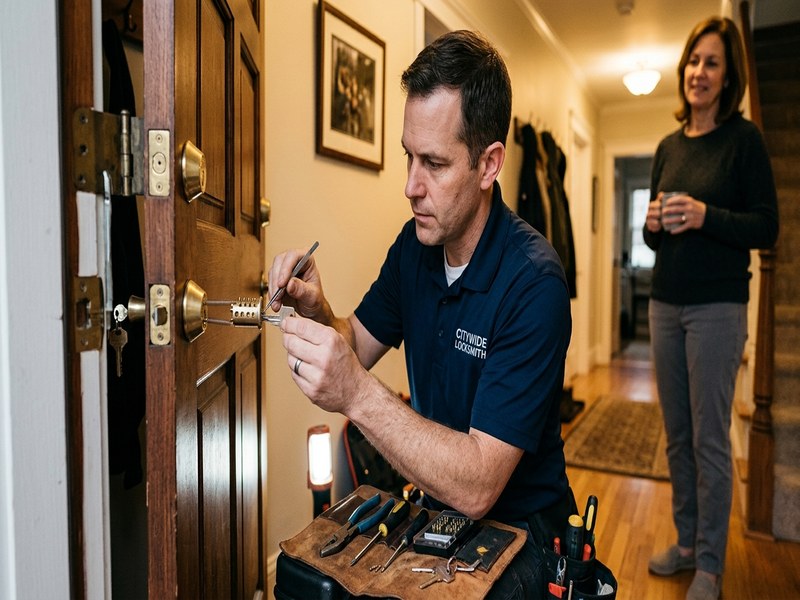
State license verification for locksmiths Step 1

Verify Their State License

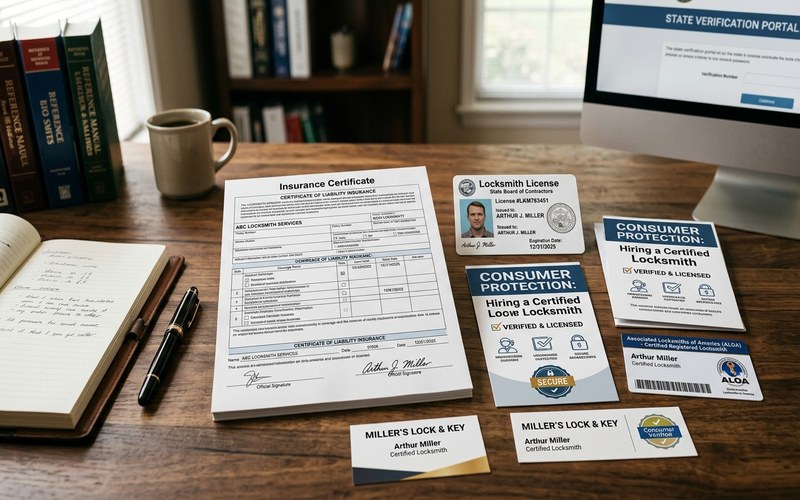
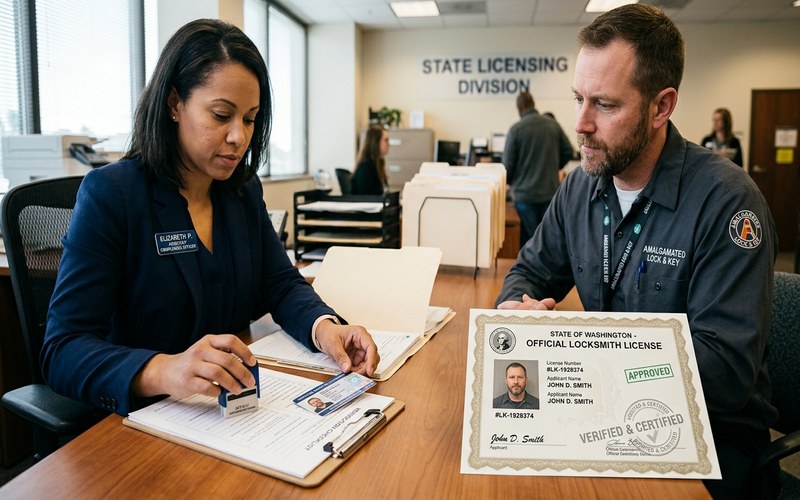
In states requiring licensure (CA, TX, NV, VA, and others), every locksmith must hold a valid state license. Ask for the license number and verify it online before any work begins. California uses the BSIS database at bsis.ca.gov.

How to verify
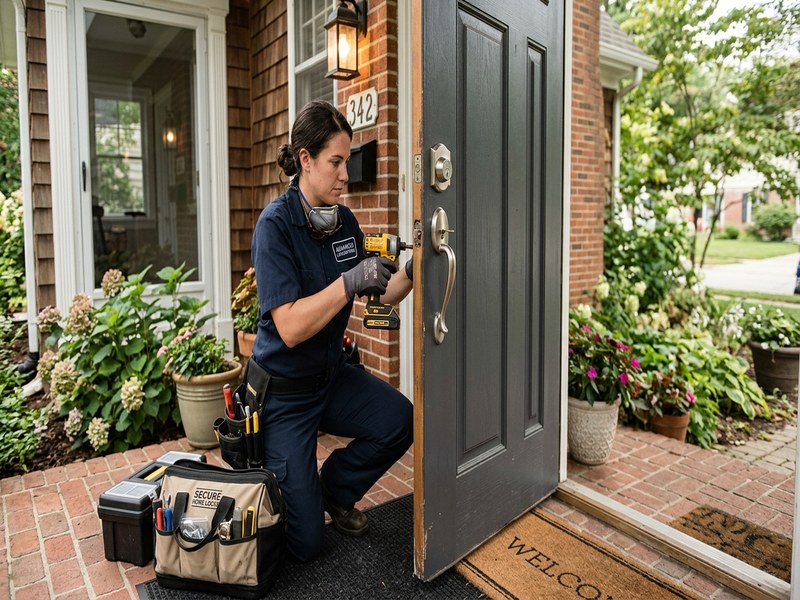
Warning signs of national call center locksmith ads Step 2

Spot Fake Local Ads

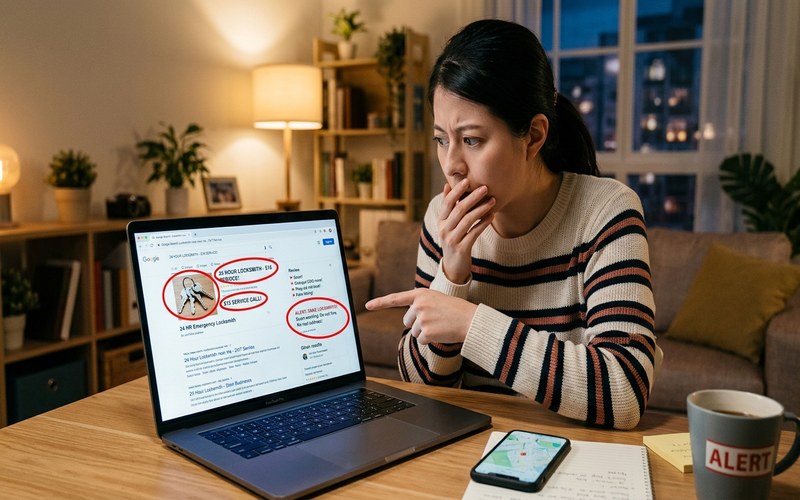
National call centers run hundreds of fake local Google listings with generic names like "Local Locksmith" or "City Locksmith 24/7." Red flags include no physical address, address at a UPS Store, or suspiciously high review counts with no photos.

See all red flags
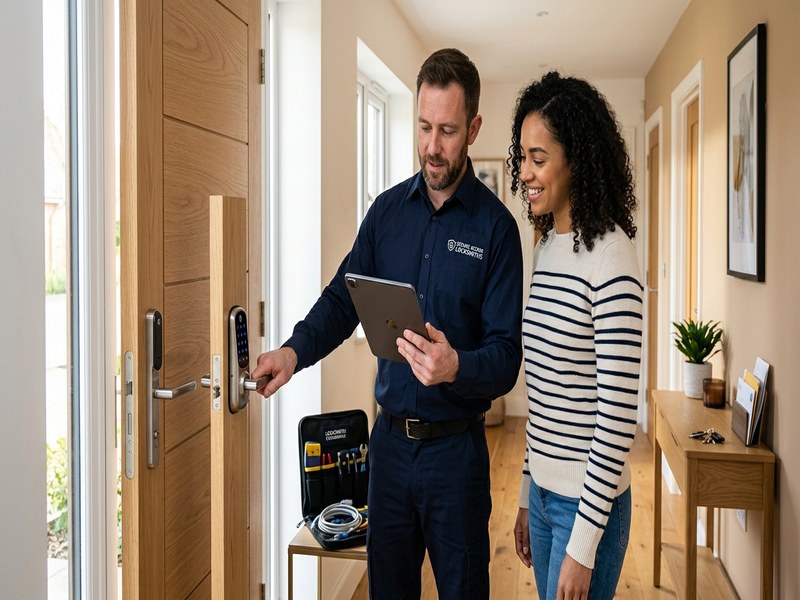
Questions to ask a local locksmith before hiring Step 3

Ask the Right Questions

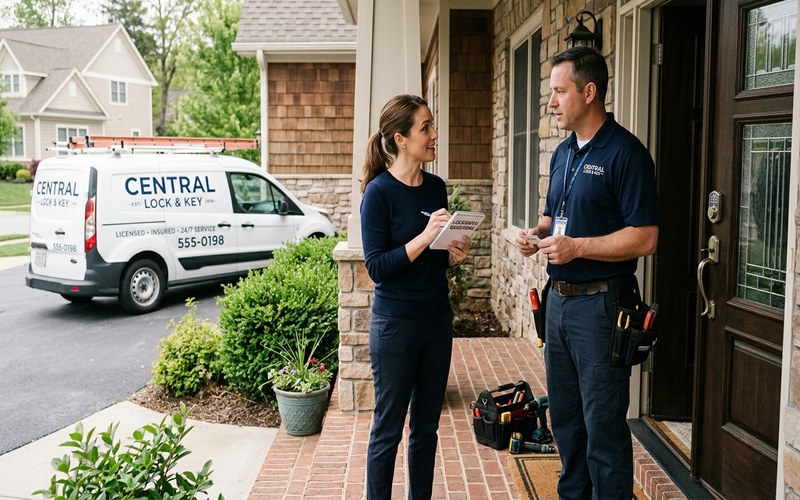
A legitimate local locksmith will answer basic questions confidently: their physical address, how long they have served your area, and whether technicians are employees or contractors. Evasive answers are a warning sign.

The 5 questions
Getting a written estimate from a locksmith Step 4

Get a Written Estimate First

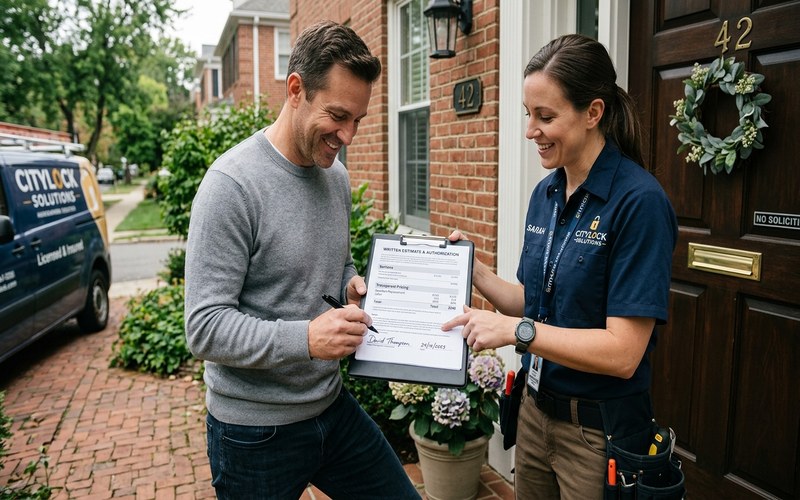
Legitimate local locksmiths provide written estimates before beginning any work. If a technician refuses to commit to a price in writing, or quotes $19 over the phone and charges $300 on arrival, walk away immediately.

Pricing guide
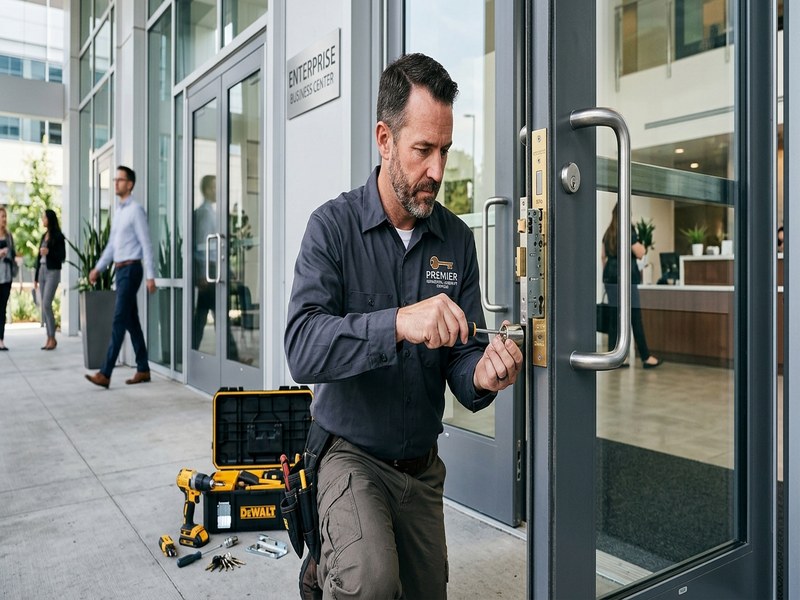
Locksmith insurance and bond verification Step 5

Check Insurance and Bond

Any professional locksmith working in your home should carry general liability insurance and, in many states, a surety bond. Ask for proof of insurance before work begins. Legitimate businesses will have it readily available.

Why it matters
Reading authentic local locksmith reviews Step 6

Read Real Local Reviews

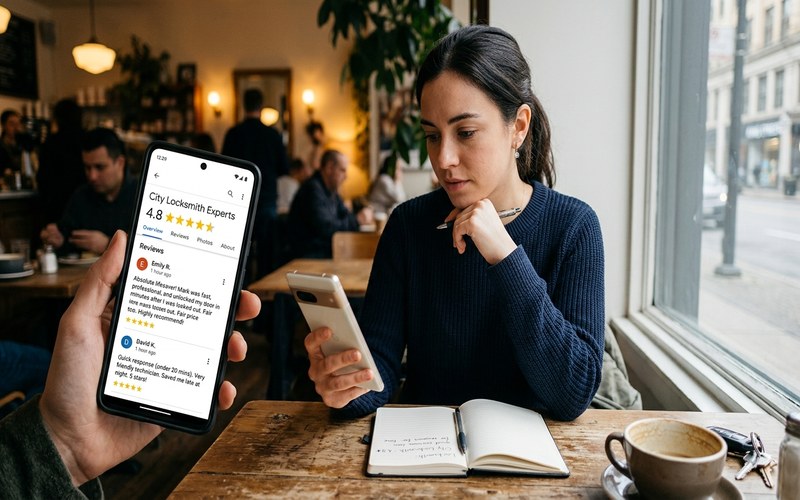
Look for Google reviews that mention the technician's name, describe a specific situation, and include photos. Reviews that are all five stars, all written in the past 30 days, with zero photos, are often fabricated by call center operations.

Reader stories

The National Call Center Problem

Millions of Americans unknowingly call national locksmith brokers when they search for a "local locksmith near me." These companies dominate Google Maps with fake local listings and can cost you 2-4x more than a real local professional.

Fake Local Listings on Google Maps

Call centers create hundreds of fake Google Business Profiles using local addresses (often virtual offices or UPS Stores). When you search "locksmith near me," these listings appear prominently despite having no real local presence.

The "$19 Lockout Special" Bait

A common tactic: advertise an impossibly low price over the phone, then present a bill for $300-$500 once the work is done. At that point, you have no car key or no unlocked door to walk away from. This extortion tactic is widely documented by consumer protection agencies.

Unvetted, Unlicensed Technicians

Call centers often dispatch 1099 contractors with no background checks and no verifiable license. When something goes wrong (damage to your lock, lock not functioning, or worse), there is no local business to hold accountable.

No Local Accountability

A genuine local locksmith lives in your community. If something is wrong, they are one call away. A national call center has no stake in your neighborhood and no local reputation to protect, making disputes nearly impossible to resolve.

How to Spot a Real Local
Verifying a locksmith's local credentials and license

How to Confirm a Locksmith is Truly Local

A real local locksmith is verifiable in under five minutes. Use these checks before you call:

  • Google their exact business name and look for a consistent Google Business Profile with photos of their actual shop or van, real reviews mentioning the technician by name, and an address you can verify on Street View.
  • Verify the state license number on the official state website. In California: bsis.ca.gov. In Texas: tdlr.texas.gov. Nevada: nv.gov. Virginia: dpor.virginia.gov.
  • Check the phone number. A national call center rotates through hundreds of local numbers. A real local business has one consistent local number they have used for years.
  • Look for a real physical address that appears in their website footer, their Google listing, and their invoices. Search the address on Google Maps and confirm it is a real shop, not a mailbox service.
  • Search for them on the BBB, Yelp, and Nextdoor. Genuine local businesses have a presence across multiple platforms with consistent reviews over years, not dozens of identical five-star Google reviews all posted in the same week.
Full Verification Checklist

Local Locksmith vs. National Call Center: True Cost Comparison

The price difference between a genuine local locksmith and a national call center is substantial. Here are typical costs for common services in 2026 across major US metros.

Service Local Locksmith (Typical) National Call Center (Typical) Potential Markup
Residential Lockout $75 - $150 $200 - $500 Up to 3x more
Rekey Door Locks (1 lock) $65 - $130 $150 - $300 Up to 2.3x more
Car Lockout $65 - $120 $150 - $350 Up to 3x more
Car Key Programming (transponder) $150 - $350 $350 - $700+ Up to 2x more
Deadbolt Installation $100 - $180 $250 - $450 Up to 2.5x more
Smart Lock Setup $120 - $220 $300 - $550 Up to 2.5x more
Service Call Fee (hidden) $0 - $35 (disclosed upfront) $75 - $150 (often hidden) Always disclosed locally

Prices are US national averages for 2026. Rates vary by city, time of service, lock brand, and individual locksmith.

5 Questions to Ask Any Locksmith Before Hiring

Ask these five questions on the phone before a technician is dispatched. A legitimate local locksmith answers all five confidently. Evasive or vague answers are a red flag to call someone else.

  1. 1
    What is your state license number and how do I verify it?

    A licensed locksmith in a regulated state will give you their license number immediately. In California, you can verify it at bsis.ca.gov in under 30 seconds. If they cannot provide one, do not hire them.

  2. 2
    What is your physical business address?

    Ask for a street address, not a P.O. box. Then Google it. A legitimate local business will have a real shop, garage, or home office address that appears consistently across their website, Google profile, and business license.

  3. 3
    Will you give me a written estimate before you start work?

    The answer must be yes. An estimate should include the service charge, parts cost, and any trip or after-hours fees. If they refuse a written estimate, hang up.

  4. 4
    Are your technicians employees or independent contractors?

    Local locksmiths typically employ their technicians directly. Call center dispatchers send independent contractors who may not be vetted, insured, or licensed. Either answer can be okay, but the follow-up question is: "Are your contractors licensed and insured?"

  5. 5
    How long have you been serving [your city]?

    A local locksmith with roots in your community should be able to name local landmarks, neighboring cities they serve, and approximate how long they have been in business. Vague answers like "many years" without specifics are a warning sign.

What Makes a Great Local Locksmith

Beyond avoiding scams, the best local locksmiths share a set of positive traits. Here is what to look for when evaluating any locksmith in your area.

State Licensed and Insured

In licensed states, a valid BSIS, TDLR, or equivalent state license demonstrates background checks, training, and legal accountability. Pair that with general liability insurance for complete protection.

Deep Local Knowledge

The best locksmiths know your neighborhoods, common lock brands in your area, and local housing stock. They often know local contractors, real estate agents, and property managers by name.

Consistent Reviews Over Years

Genuine local businesses build their reputation over years, not weeks. Look for Google, Yelp, and Nextdoor reviews with specific details, technician names, and a steady stream over 2-5+ years of operation.

Branded Vehicles and Equipment

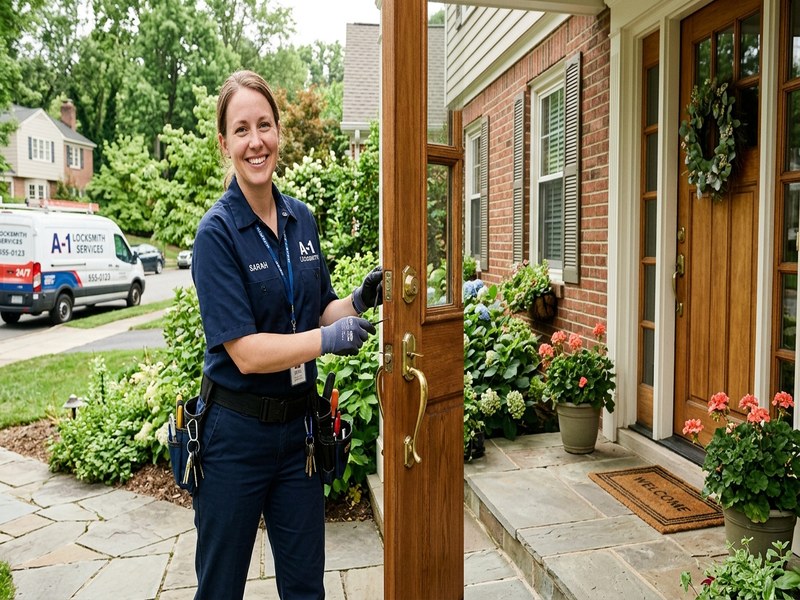
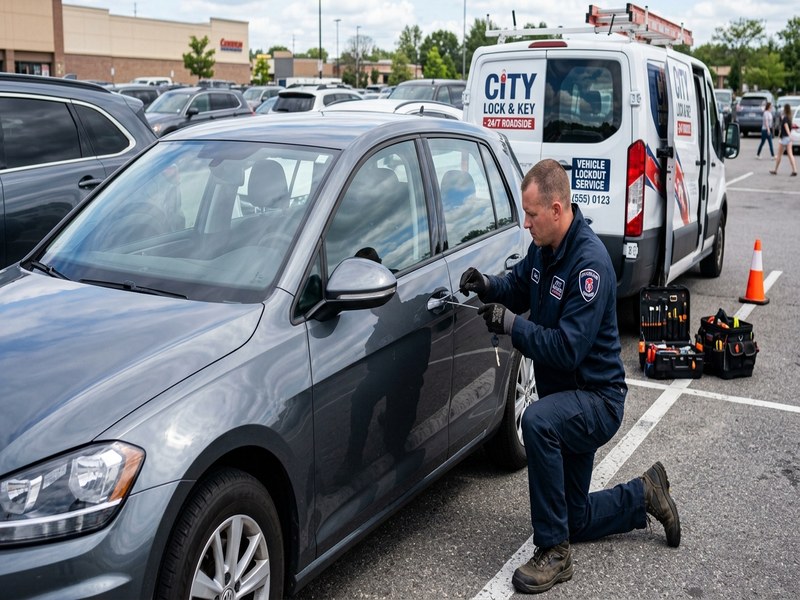
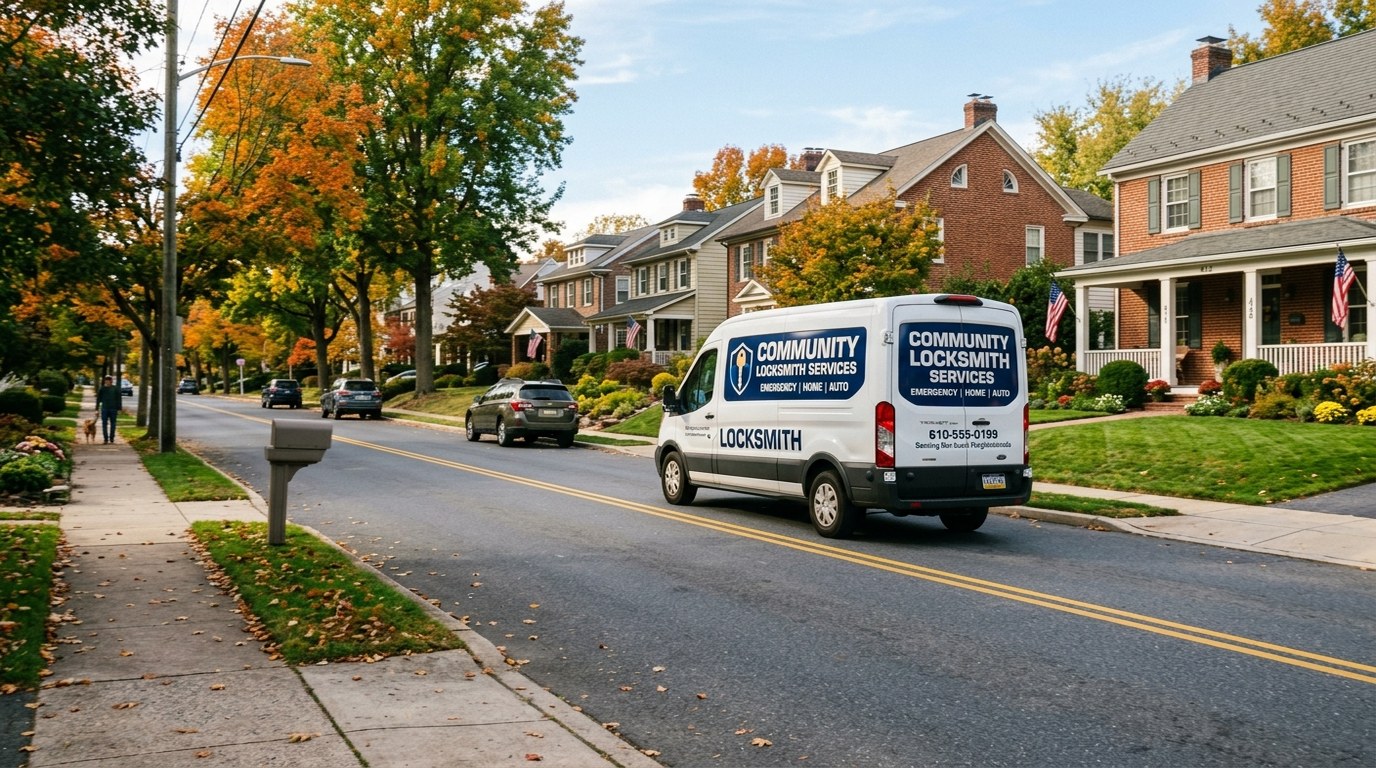
Legitimate local locksmiths drive branded vans or trucks with the business name, license number, and contact info displayed. A technician arriving in an unmarked personal car with no identification is a concern.

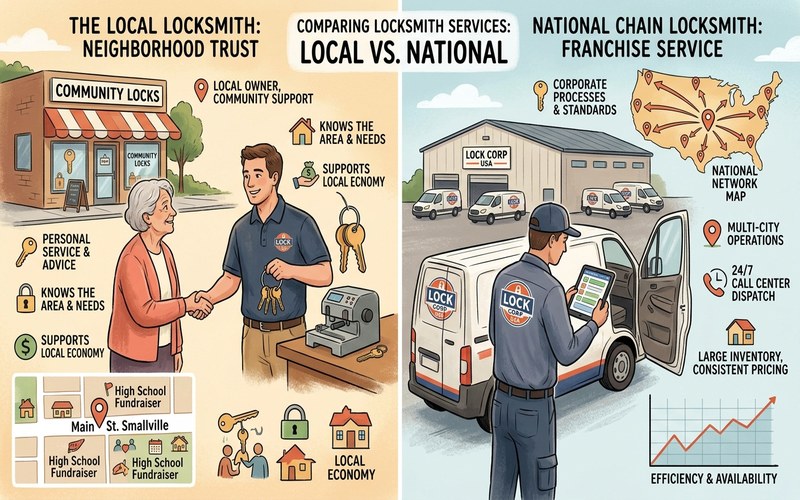
Comparison between local locksmith and national call center operator

Why a Local Locksmith Protects You Better

Hiring a genuinely local locksmith is not just about price. It is about accountability, community investment, and long-term security for your home and vehicle.

  • Community accountability: A local locksmith has a reputation to protect. One bad job or dishonest practice ripples through the neighborhood via word-of-mouth, Nextdoor, and local Facebook groups.
  • Continuity: You can call them back for follow-up service, warranty work, or questions. A call center dispatches a different contractor every time.
  • Faster real response: A local tech operating near you typically arrives faster than one dispatched from a regional contractor pool, because they actually know the streets.
  • Security familiarity: Local locksmiths know common vulnerabilities in your area's housing stock and can make recommendations based on what they actually see on the job.

Consumer Stories: Local vs. Call Center

These experiences submitted by readers illustrate the real-world difference between hiring a genuine local locksmith and unknowingly calling a national call center.

★★★★★
Verified Review

“The BSIS verification tip saved me from hiring an unlicensed company advertising online. The guide made it easy to check credentials before anyone showed up.”

J. Mitchell reviewer portrait
J. Mitchell
Los Angeles Resident
★★★★★
Verified Review

“The cost table was spot-on. Got three quotes and they all landed exactly in the ranges listed. Went with the one who sent a written estimate first.”

S. Patel reviewer portrait
S. Patel
San Mateo County
★★★★★
Verified Review

“Smart lock comparison was exactly what I needed. Great explanation of the install process and expected costs. Saved me from overpaying at the dealer.”

A. Kim reviewer portrait
A. Kim
Los Angeles Resident
★★★★☆
Verified Review

“Used the hire checklist when my car key fob stopped working. The tech showed BSIS credentials immediately and gave a written quote before starting. Total was right in the guide's range.”

T. Rodriguez reviewer portrait
T. Rodriguez
Nearby Resident
Read More Stories

Finding a Local Locksmith in Your City

Our guide covers the verification steps and local licensing requirements for every major US metropolitan area. Browse your city for specific information.

CA
Los Angeles
Largest locksmith market; BSIS license required
NY
New York
No state license required; verify borough-level credentials
IL
Chicago
City license required beyond state rules
TX
Houston
TDLR license required; large suburban coverage area
AZ
Phoenix
No state license; verify local BBB + reviews carefully
PA
Philadelphia
No state license; local permit may be required
TX
San Antonio
TDLR license required
CA
San Diego
BSIS license required; active BSIS lookup strongly advised
TX
Dallas
TDLR license required
CA
San Jose
BSIS license required; large Vietnamese-speaking community
TX
Austin
TDLR license required
FL
Jacksonville
No state license; check local contractor registration
TX
Fort Worth
TDLR license required
OH
Columbus
No state license; verify insurance heavily
NC
Charlotte
No state license; use NLSSA directory to find vetted locals
IN
Indianapolis
No state license; check Marion County contractor registry
View All Major Cities

Frequently Asked Questions About Local Locksmiths

How do I know if a locksmith is truly local?

A genuinely local locksmith has a real local address (verify on Street View), a consistent local phone number they have used for years, a verified Google Business Profile with reviews from actual local customers mentioning the technician by name, and a state-issued business license in licensed states.

The fastest check: Google the business name + city, look at their Google Maps listing for photos of an actual shop or van (not stock photos), and check if the address is a real commercial location or a mail forwarding service.

What is a national locksmith call center?

National locksmith call centers are lead-generation companies that pose as local businesses online. They create hundreds of fake local Google listings using virtual office addresses, rotate through local phone numbers, and dispatch loosely vetted independent contractors to customer locations.

They often quote a low "service call" price over the phone ($19-$49) and dramatically inflate the final invoice after the work is complete, knowing the customer has no leverage once locked out or without their car key.

How much does a local locksmith charge in 2026?

Typical 2026 rates from genuine local locksmiths: residential lockout $75-$150, rekeying $65-$130 per lock, car lockout $65-$120, automotive key programming $150-$350. Most legitimate locksmiths charge a service call fee of $0-$35 that is disclosed upfront.

If a locksmith quotes significantly below these ranges over the phone (e.g., "$19 lockout"), plan for the final bill to be substantially higher. This bait tactic is the most common consumer complaint in the locksmith industry.

Do all US states require locksmiths to be licensed?

No. As of 2026, approximately 15 states require locksmiths to hold a state-issued license, including California (BSIS), Texas (TDLR), Nevada, Virginia, New Jersey, Alabama, Illinois, Louisiana, Maryland, North Carolina, Oklahoma, Oregon, Tennessee, and others.

In unlicensed states, the burden falls entirely on the consumer to verify insurance, bonding, business registration, and local reputation. In these states, checking the BBB, Angi reviews, and local Nextdoor recommendations is especially important.

What should I do if a locksmith overcharges me?

Document everything: take photos of any written quote, the invoice, and the technician's ID and vehicle. Pay by credit card if possible (gives you dispute rights). Then report the incident to your state's consumer protection office, the FTC at ftc.gov, and the Better Business Bureau.

In California, overcharging by a BSIS-licensed locksmith can be reported directly to BSIS, which can suspend or revoke the license. In Texas, file with TDLR. In other states, contact your state attorney general's consumer protection division.

Is it safe to let a locksmith inside my home?

Yes, when you hire a verified, licensed local locksmith. Before letting anyone in, ask to see government-issued photo ID and their license credentials. Confirm the name on the ID matches the business listed on Google. Check that the van or truck is branded with the company name and contact info.

If anything feels off (unnamed vehicle, refusal to show ID, different name from the business you called), you have every right to decline service and call a different company.

How can I find a local locksmith in my area right now?

The most reliable sources for finding a truly local locksmith in any US city: ask neighbors on Nextdoor for personal recommendations (real locals recommend real locals), check the National Locksmith Suppliers Association (NLSSA) member directory, search for ALOA (Associated Locksmiths of America) members in your zip code, or check the Angi (formerly Angie's List) verified-member directory.

When you find a candidate, use the 5-question checklist in this guide and verify their license on your state's official website before booking.

Why do fake locksmith listings dominate Google search results?

National call centers use a technique called spam listing creation, generating hundreds of fake Google Business Profiles with local addresses (often virtual offices or residential addresses they do not control), local phone numbers, and in some cases fabricated reviews. New listings are created as fast as Google removes old ones.

Google has made policy changes to combat this (requiring video verification for locksmith categories), but the practice continues. This is why independent verification using the steps in this guide is the only reliable way to confirm you are hiring a genuine local business.

Have a Question About Finding a Local Locksmith?

Our editorial team answers reader questions about licensing, pricing, and verification. Send us a message and we will respond within 24 hours.

How We Research This Guide

This guide is maintained by an independent editorial team with experience in consumer protection reporting, locksmith industry regulation, and local business verification. We do not accept payment from any locksmith company for placement, recommendation, or review.

Our information on state licensing requirements is sourced from official state agency websites (BSIS, TDLR, and equivalent bodies) and updated quarterly. Cost ranges are compiled from public consumer complaint data, FTC reports, and verified reader submissions. Red flags and call center tactics described here are documented in FTC consumer alerts and state attorney general reports.

We update this guide twice a year (January and July) and following any significant changes to state licensing laws. Last updated: May 2026. Read our full methodology.