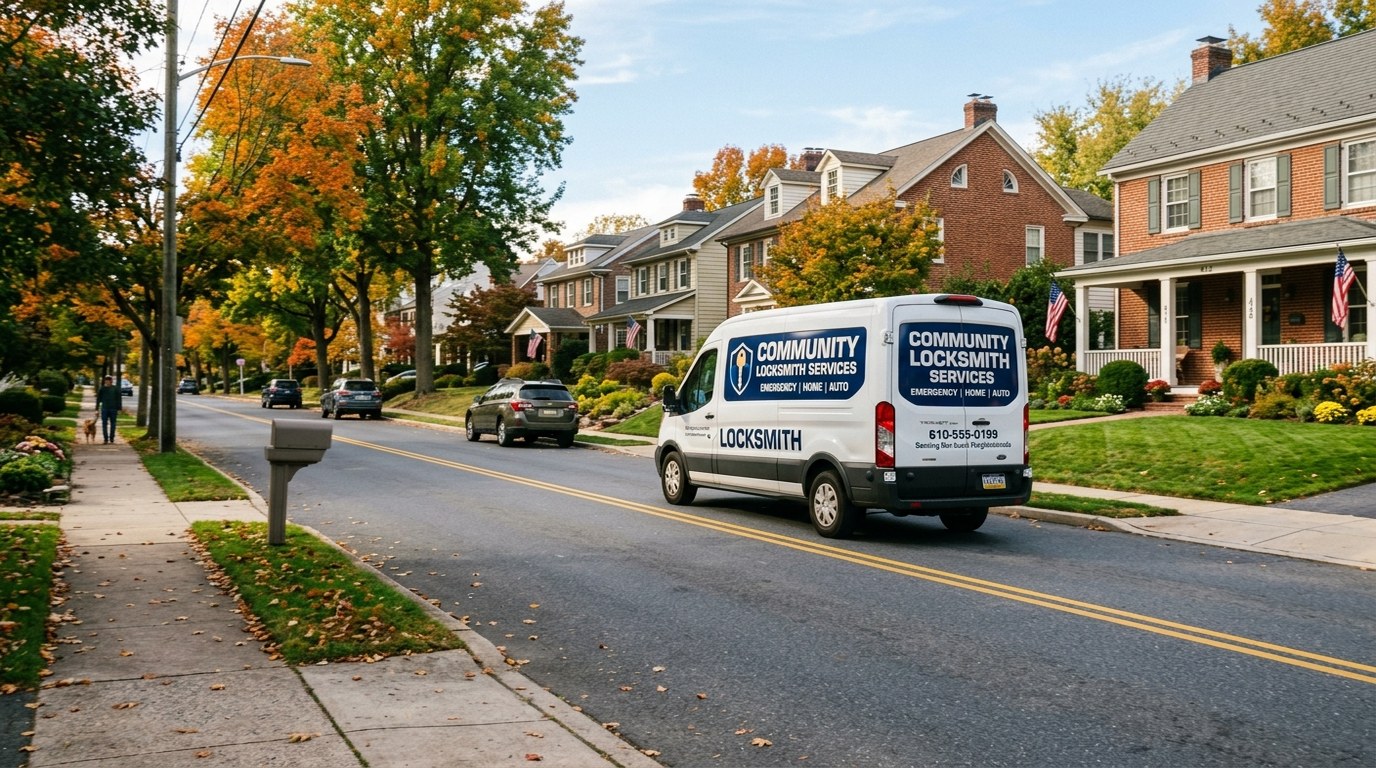
Short answer: Not every locksmith advertising a rock-bottom price is planning to charge it. The bait-and-switch is one of the most common locksmith scams in the country, and it works precisely because it targets people who are locked out, stressed, and in a hurry. Here is exactly how the trick is built — and how to walk away from it.
Not every locksmith advertising a rock-bottom price is planning to charge it. The bait-and-switch is one of the most common locksmith scams in the country, and it works precisely because it targets people who are locked out, stressed, and in a hurry. Here is exactly how the trick is built — and how to walk away from it.
The scam starts long before the phone rings. An operator floods search results and online map listings with a very low advertised price — something like a $19 or $29 service call — often under a dozen slightly different business names that all route back to the same call center. The number you dial may not be local at all; it reaches a dispatcher who sends whichever contractor is nearest, sometimes from another city entirely. That low figure exists only to win the click and the call. No serious locksmith can unlock a door, cut a key, or rekey a cylinder for the price used in these ads, which is the entire point: the number is bait, and it was never the amount you were going to pay.
Once a technician is standing at your door, the number climbs. The advertised service call is suddenly reframed as "just the trip fee," with labor, vague "security" surcharges, and parts stacked on top. A frequent move is to declare that your lock is "high security" or simply cannot be picked, and therefore must be drilled out and replaced — turning a routine lockout into a parts-and-labor bill many times the original quote. Because you are already locked out and the work is half-started, the pressure to just agree feels overwhelming. Some operators wait until the door is open to name the real total, then ask for cash. The stress and that sunk-cost feeling are not accidental; they are the mechanism the whole scam runs on.
You have more leverage than it feels like in the moment. Before anyone starts, get the full price confirmed out loud or in writing, and if the on-site number does not match the quote, you are within your rights to decline and send the technician away — you have not agreed to anything you did not authorize. Ask why drilling is necessary; a real locksmith can almost always open a standard residential lock without destroying it and will explain the specific reason if a particular lock genuinely can't be. Never hand over a large cash-only payment under pressure, and photograph the technician's vehicle and any paperwork. The simplest protection of all is to line up a locksmith you trust before an emergency ever happens, so that when you are locked out at night you are calling a known name instead of gambling on a search result.
The scam starts long before the phone rings. An operator floods search results and online map listings with a very low advertised price — something like a $19 or $29 service call — often under a dozen slightly different business names that all route back to the same call center. The number you dial may not be local at all; it reaches a dispatcher who sends whichever contractor is nearest, sometimes from another city entirely. That low figure exists only to win the click and the call. No serious locksmith can unlock a door, cut a key, or rekey a cylinder for the price used in these ads, which is the entire point: the number is bait, and it was never the amount you were going to pay.
Once a technician is standing at your door, the number climbs. The advertised service call is suddenly reframed as "just the trip fee," with labor, vague "security" surcharges, and parts stacked on top. A frequent move is to declare that your lock is "high security" or simply cannot be picked, and therefore must be drilled out and replaced — turning a routine lockout into a parts-and-labor bill many times the original quote. Because you are already locked out and the work is half-started, the pressure to just agree feels overwhelming. Some operators wait until the door is open to name the real total, then ask for cash. The stress and that sunk-cost feeling are not accidental; they are the mechanism the whole scam runs on.
You have more leverage than it feels like in the moment. Before anyone starts, get the full price confirmed out loud or in writing, and if the on-site number does not match the quote, you are within your rights to decline and send the technician away — you have not agreed to anything you did not authorize. Ask why drilling is necessary; a real locksmith can almost always open a standard residential lock without destroying it and will explain the specific reason if a particular lock genuinely can't be. Never hand over a large cash-only payment under pressure, and photograph the technician's vehicle and any paperwork. The simplest protection of all is to line up a locksmith you trust before an emergency ever happens, so that when you are locked out at night you are calling a known name instead of gambling on a search result.
Send a request through the site with your location and what you need, and you will get a straight answer and an honest estimate before any work begins.
Request service — tell us what you need and we will reply with a straight answer and an honest estimate.